
Tree removal services are critical components in maintaining healthy landscapes, especially in urban areas like Sydney. This article provides an in-depth overview of what to expect from a professional tree removal service, highlighting the numerous factors and processes involved. Understanding tree removal’s necessity, safety measures, costs, and environmental implications is essential for making well-informed decisions.
Understanding the Need for Tree Removal
Tree removal is not just about cutting down trees; it involves carefully evaluating the need for the action, considering both environmental and safety aspects. Trees may need to be removed for various reasons, including disease, structural instability, or to prevent hazards posed to people and property. In urban settings, the presence of trees can significantly enhance the aesthetic appeal and contribute to improved air quality. However, when a tree becomes a liability, the decision to remove it must be made with caution and foresight.
Assessing the necessity for tree removal is vital to avoid unnecessary harm to the environment. Professionals are trained to analyze the reasons behind tree decline or risk, ensuring that removal is performed only when absolutely necessary. This careful evaluation often involves looking at the tree’s role in the ecosystem, as well as considering alternatives such as pruning or treatment that may extend the tree’s life and maintain its benefits.
Identifying Potential Risks and Hazards
One of the critical reasons for tree removal is the risk of injury or damage. Trees that are dead, diseased, or severely damaged can pose a threat to nearby structures and people. High winds or storms can exacerbate these hazards, leading to fallen branches or trees. In addition to the immediate danger, a compromised tree can also lead to long-term issues, such as soil erosion or habitat loss for local wildlife, further complicating the decision-making process.
Professionals assess trees for signs of decay, pest infestations, or structural weakness. They evaluate the proximity to homes, power lines, and roads, identifying any potential risk factors that could warrant removal. This assessment not only focuses on the tree itself but also considers the surrounding environment, ensuring that the removal process is conducted in a manner that minimizes disruption to the local ecosystem and community.
Assessing Tree Health and Stability
Before proceeding with tree removal, professionals conduct a comprehensive assessment of the tree health and stability. Various factors come into play, including the tree species, age, and overall condition. Understanding the specific characteristics of different tree species can greatly influence the decision, as some trees may recover from damage better than others or have a higher ecological value.
Each tree undergoes a thorough inspection, often using specialized tools to measure stability and health conditions. This diligent assessment ensures that only trees that truly require removal will undergo this procedure, ultimately preserving the environment as much as possible. Furthermore, the evaluation process may involve consulting with arborists, who can provide insights into the tree’s potential for recovery and the best practices for maintaining the health of surrounding vegetation, ensuring that the ecosystem remains balanced and thriving.
The Process of Professional Tree Removal
Understanding the process of tree removal is crucial for anyone considering this service. The procedure typically involves several key steps, all intended to ensure safety and efficiency while minimizing impact on the surrounding area.
Initial Assessment and Quotation
The removal process begins with an initial assessment by qualified professionals. This assessment includes evaluating the tree, identifying any hazards, and determining the safest removal method.
Once the assessment is complete, a quotation is provided to the client, outlining the costs involved based on the complexity of the operation, access to the site, and the tools required. This transparency helps clients understand the value of the service and make informed decisions. Additionally, during this stage, professionals may also discuss any potential alternatives to removal, such as pruning or treatment for disease, which can sometimes save a tree that is otherwise deemed problematic.
The Actual Tree Removal Process
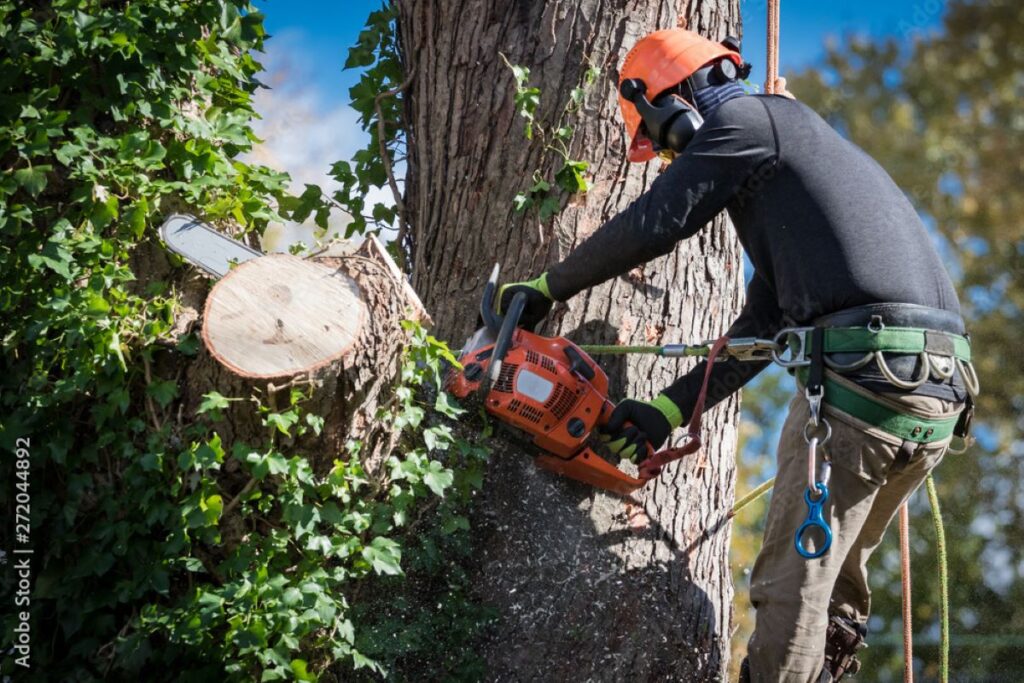
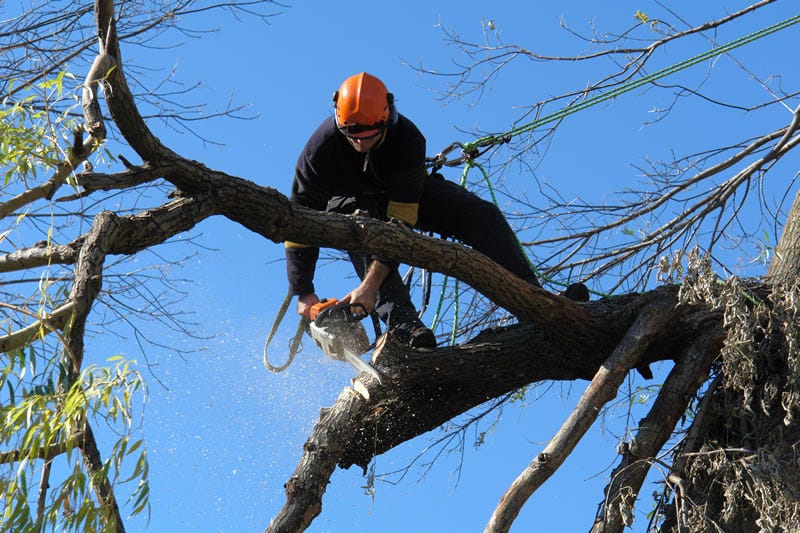
The actual removal of the tree is a meticulously planned procedure. Depending on the tree’s size and location, professionals will use various techniques, including climbing, rigging, or sectional cutting to safely lower the tree piece by piece.
Safety is paramount during this phase. Professionals wearing the appropriate personal protective equipment (PPE) ensure both their safety and the safety of those around. Ground staff assist in managing the area, ensuring no unexpected hazards arise during the process. Furthermore, advanced equipment such as cranes or aerial lifts may be employed for particularly large or precariously positioned trees, allowing for greater control and precision during the removal process, thereby reducing the risk of damage to nearby structures or landscapes.
Post-Removal Cleanup and Disposal
After the tree has been safely removed, the next step involves cleanup and disposal of the debris. Professionals will typically chop the tree into manageable pieces, and options for disposal include chipping the wood into mulch or transporting it for recycling.
Post-removal cleanup is crucial for restoring the landscape. Professionals ensure that the area is left tidy, removing any leftover branches, wood, or debris to leave the site as clean as possible. This step is essential not just for aesthetics but also for preventing any potential safety hazards from leftover tree remnants. Additionally, clients may be given the option to keep some of the wood for personal use, such as firewood or crafting, which can add an element of sustainability to the process. By considering these options, tree removal services can provide a more personalized experience, catering to the unique needs and preferences of each client while promoting environmental responsibility.
Safety Measures in Professional Tree Removal
Tree removal is inherently risky, requiring strict adherence to safety protocols. Professional services prioritize safety for both their team members and the surrounding environment while executing removal tasks. This commitment to safety not only protects the workers but also safeguards nearby properties and individuals, ensuring that the entire process is conducted with the utmost care and consideration.
Equipment and Tools Used
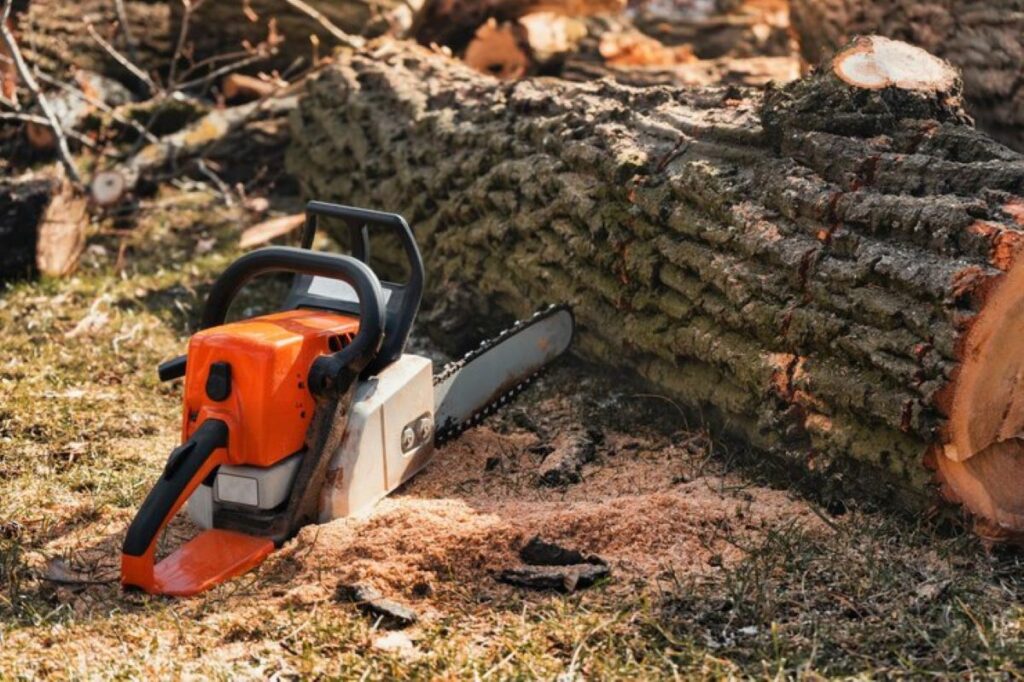
Professional tree removal services use various specialized equipment and tools to facilitate safe and efficient tree removal. Tools can range from chainsaws and wood chippers to ropes and harnesses tailored specifically for climbing and securing branches during the removal process. In addition to these standard tools, professionals may also utilize advanced equipment such as aerial lifts or cranes for larger trees, which allows them to reach high branches safely without risking falls.
The use of high-quality equipment plays a significant role in ensuring the job is done safely and effectively. Professionals are skilled in handling these tools, minimizing the risk of accidents during the removal process. Regular maintenance and inspections of the equipment further enhance safety, as well-maintained tools are less likely to malfunction. Moreover, the use of personal protective equipment (PPE), such as helmets, goggles, and gloves, is crucial in providing an additional layer of safety for workers as they navigate potentially hazardous environments.
Training and Qualifications of Professionals
Qualified professionals undergo extensive training to acquire the necessary skills for tree removal. These qualifications often include certifications in arboriculture, safety training, and hands-on experience in tree management. Many professionals also participate in ongoing education to stay updated on the latest safety practices and regulations, ensuring that they are well-prepared for any challenges that may arise on the job.
The expertise gained through training ensures that professionals can handle various scenarios that may arise during tree removal. With their knowledge, they can assess the risks and apply the most appropriate removal techniques while maintaining safety standards. Additionally, they are trained in emergency response procedures, which is vital in the event of an unexpected incident. This preparedness not only enhances the safety of the team but also instills confidence in clients, knowing that their tree removal is being handled by qualified experts who prioritize safety above all else.
Cost Factors in Tree Removal Services
The cost of tree removal can vary based on several factors. Understanding these variables can help clients gauge what to expect when planning for this service.
Size and Location of the Tree
One of the primary cost factors is the size of the tree. Larger trees require more labor, specialized equipment, and time to remove, resulting in higher costs. Additionally, the tree’s location impacts the complexity of the removal, particularly if it’s situated near structures, other trees, or in confined spaces.
Removals in hard-to-reach areas may require additional equipment or techniques to ensure safety and efficiency, further contributing to the overall costs. For instance, if a tree is located close to power lines, professionals must take extra precautions and may need to coordinate with utility companies, which can add to the expense. Furthermore, the type of tree also plays a role; hardwoods often take longer to cut and remove compared to softer varieties, influencing labor costs significantly.
Additional Services and Their Charges
Clients may also encounter additional charges for services that go beyond standard tree removal. These may include stump grinding, soil restoration, pruning of nearby trees, or landscaping alterations post-removal.
While these services can increase the overall bill, they ensure a more thorough approach to tree management, often contributing to better landscape health in the long term. For example, stump grinding not only eliminates the unsightly remnants of a tree but also prevents potential pest infestations and allows for new planting options in the same area. Moreover, soil restoration can enhance the fertility of the ground, making it more suitable for future vegetation. Clients should consider these additional services as investments into the overall health and aesthetics of their property, rather than mere add-ons to the initial removal cost.
The Environmental Impact of Tree Removal
Tree removal can have significant environmental impacts, making it vital to approach these services with a commitment to sustainability. While necessary at times, professionals must maintain an ethical stance towards tree removal to mitigate negative effects.
Mitigating Negative Environmental Effects
To reduce the consequences of tree removal, professional services often implement strategies such as selective cutting, carefully evaluating which trees need to be removed while preserving healthy trees in the surrounding area.
Additionally, services may engage in replanting programs, where new trees are planted to replace those removed. This practice helps maintain ecological balance and supports the local environment.
Responsible Disposal and Recycling
Finally, a responsible approach to disposal is crucial. Professionals may recycle removed timber into mulch, compost, or even reclaimed wood products. By doing this, they contribute positively to the environment and minimize waste.
Eco-friendly practices in tree removal not only benefit the surrounding ecosystem but also align with a growing societal emphasis on sustainability, making it an essential consideration for tree removal services in Sydney.
In conclusion, professional tree removal services in Sydney encompass a comprehensive process aimed at ensuring safety, efficiency, and environmental responsibility. By understanding the multiple facets involved, clients can make informed decisions regarding their tree management needs, ensuring a healthier and more sustainable landscape.
Related : Arborist North Shore:Tree Trimming and Care Service in Your Area